Many small fashion brands and local labels want to develop their own clothing line, but they are not sure how to start working with a factory in another country. Vietnam has become a common choice for apparel production because of its skilled workforce, wide range of fabric options and manufacturers that are open to working with brands of different sizes, from a single test collection to an ongoing seasonal line that ships every few months.
This article walks through what small fashion brands should understand before reaching out to a clothing manufacturer in Vietnam, from preparing basic product information to managing sampling, quality and shipping. None of this requires a large team or years of experience, it mainly requires clear preparation, patience during the early rounds of sampling, and realistic expectations about timelines, budgets and minimum order quantities.
 Why Small Fashion Brands Are Turning to Vietnam
 Why Small Fashion Brands Are Turning to Vietnam
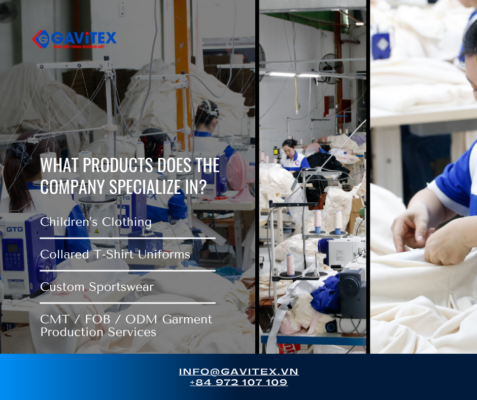
Vietnam has built a strong reputation in garment manufacturing, with factories ranging from those producing simple basics to others focused on technical sportswear. For small brands, this means there are usually options at different price points and production scales, rather than only large factories that require very high order quantities.
Beyond production skill, many factories here also have export experience, which usually means fewer surprises when it comes to customs paperwork and international shipping for a brand ordering for the first time. This experience can be especially helpful for a brand that has never imported clothing before and is not yet familiar with the paperwork involved.
Understanding What “Working With a Manufacturer” Really Means
Partnering with a factory is more than sending a purchase order, it means having an ongoing back-and-forth about design, materials, fit and production schedule. Small brands that treat this as a two-way relationship, rather than a one-time transaction, usually get better results over multiple orders.
This relationship works best when both sides are honest about what is realistic, whether that is a production timeline, a fabric substitution, or a minimum order size. Over time, this kind of open communication tends to matter more for the outcome than the initial quoted price.
Defining Your Product and Starting the Conversation
Before reaching out to a manufacturer, try to be clear on what you want to make, including the garment type, your target price point and an estimated order quantity. Even a rough idea is useful, because it helps the factory understand whether your project fits their production capability.
It also saves time on both sides, since a factory that only handles large bulk orders can let you know early, instead of after several emails back and forth. A simple first message with your product idea, target quantity and a couple of reference images is usually enough to start a useful conversation.
Preparing a Simple Tech Pack (Even a Basic One Helps)
A tech pack does not need to be complicated, a simple sketch, fabric description, measurements and reference images are often enough for a first conversation. Having this ready in advance also makes it easier for the factory to give a more accurate quotation.
Later in the process, a more complete tech pack with precise measurements, seam details and trim specifications becomes useful, though this level of detail is rarely needed on day one. Building this documentation gradually also makes it easier to reorder consistent quality in future production runs.
Fabric Sourcing: What Small Brands Need to Know
Fabric choice affects both the final look of the product and the overall cost, so it is worth discussing options early rather than after the design is finalized. Some manufacturers can suggest alternative fabrics that achieve a similar look at a more manageable price for smaller orders.
Understanding a factory’s fabric sourcing, whether local or imported, can help explain differences in lead time and MOQ between one material option and another.
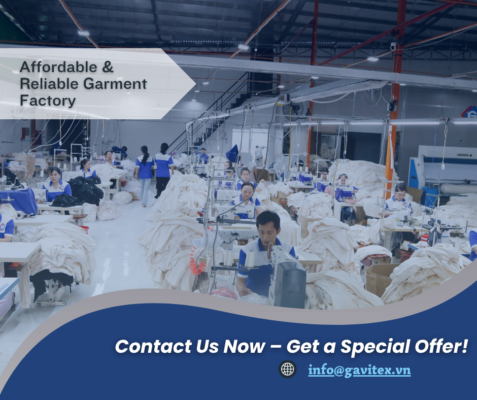 For everyday apparel, common fabric choices include cotton jersey, cotton-polyester blends, fleece and terry knits, while technical items such as sportswear or outerwear often call for stretch fabrics, mesh panels or water-resistant coatings. Each of these materials behaves differently once it is cut and sewn, which is part of why factories usually recommend making at least one physical sample before ordering fabric in bulk. A small brand does not need to know every technical term for these materials, but it is helpful to bring a physical swatch, a similar garment, or clear photos when describing the hand feel, weight and stretch you are looking for. This makes it much easier for a factory to match or suggest a suitable fabric, rather than guessing from a written description alone.
Sampling Process and Why It Takes Time
Sampling usually takes several rounds, since the first sample rarely matches the final vision exactly and adjustments are normal. Building extra time into your schedule for sampling helps avoid pressure later when it is time to move into bulk production.
It also helps to give specific, written feedback after each sample, rather than general comments, since this reduces the number of rounds needed to get it right. Keeping a simple log of what changed between each sample also helps avoid repeating the same corrections twice.
MOQ, Pricing and Payment Terms
How large an MOQ needs to be will depend on the factory, but also on details like fabric, design complexity and the range of colors and sizes you want. Asking about MOQ early, rather than after sampling is complete, helps avoid surprises when it is time to place a bulk order.
A typical arrangement involves paying a portion upfront to begin production and settling the rest closer to shipping, which means working capital needs to be planned in advance. Understanding these terms early helps a small brand avoid cash flow problems, especially when placing a first order with a new factory.
Quality Control, Communication and Shipping
Regular updates during production, through photos, videos or scheduled check-ins, make it easier to catch issues before the full order is finished. Some factories also offer a pre-shipment inspection, which is worth asking about if you are ordering from overseas for the first time.
Once the order is ready, total lead time, including shipping and customs, needs to be part of your planning from the start, especially when a launch date is already set. Asking the factory about their typical export experience can also give you a sense of how smoothly the shipping process is likely to go.
Common quality issues worth checking for at inspection include uneven stitching, loose threads, mismatched colors between fabric dye lots, incorrect measurements against the size chart, and misaligned prints or embroidery. Catching these problems before shipment is far easier and cheaper than dealing with returns or customer complaints after the products have already reached your customers. Many small brands find it useful to keep a simple checklist of these points and ask the factory to check a sample from each production batch against it, rather than relying only on a final overall inspection at the very end. Over time, this kind of consistent quality checking also helps a brand understand which details tend to cause issues most often, so future tech packs and instructions can be written more clearly to prevent the same mistakes from repeating.
Building a Long-Term Relationship With Your Factory
Working consistently with one manufacturer over multiple orders can lead to improved pricing, quicker production and more flexibility down the line. This is one reason it is worth investing time in clear communication from the very first order, even if the quantity is small.
Working with a clothing manufacturer Vietnam can help small fashion brands control sampling, fabric selection, production quantity and delivery schedule more effectively.
It is also worth remembering that not every factory is the right fit for every brand, and that is a normal part of the sourcing process rather than a failure on either side. A manufacturer that is excellent at producing structured outerwear may not be the best choice for soft jersey basics, and a factory built around large seasonal collections may not prioritize a very small trial order the way a smaller, more flexible workshop would. Talking to a few different factories before committing, comparing not just their quotes but also how clearly and quickly they respond, tends to give a much better picture than choosing the very first option that replies.
Checklist and Common Mistakes to Avoid
Here is a short checklist to review before reaching out to a manufacturer for the first time.
- A clear idea of the garment type and basic design
- A rough per-unit price target
- A realistic estimate of how many units you plan to order
- Preferred fabric or fabric requirements
- Reference images or a simple sketch
- Rough timeline or target launch date
- An idea of how much you are willing to spend on samples
A frequent misstep is choosing a factory based on price alone, without considering how long sampling takes, how flexible the MOQ is, or how easy the factory is to communicate with. Taking time to ask questions before committing to an order can prevent costly misunderstandings later.
It is also risky to move forward without confirming price, schedule and quality expectations in writing, since disagreements are harder to resolve once production has started. A short written summary after each major discussion, even a simple email recap, can prevent most of these disagreements later on.
Conclusion
Working with a clothing manufacturer in Vietnam can be a practical option for small fashion brands, as long as there is clear preparation on product details, fabric, quantity and timeline from the beginning. Taking the time to prepare this information, ask the right questions and stay in close communication throughout production will make the entire process smoother and help build a partnership that can grow over future orders.
Even a small first order can turn into a long-term production relationship if both sides communicate clearly and set realistic expectations from day one. Brands that approach the first order as a learning process, rather than expecting everything to be perfect right away, tend to build the strongest long-term partnerships with their factory.
Order now / Get a quote: +84 972 107 109